
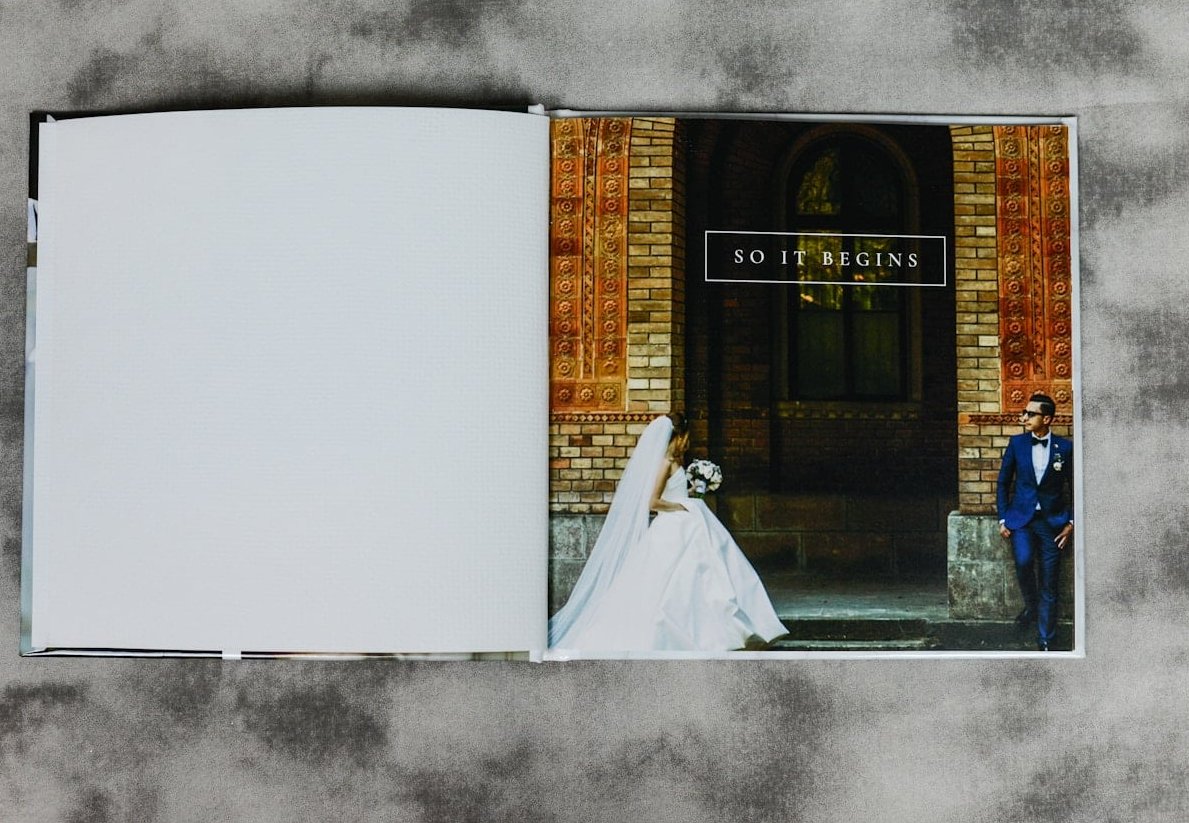
Shooting a wedding reception without a flash used to sound like a nightmare. Today, with modern mirrorless bodies, fast primes, and clever use of venue lighting, it’s not only doable, it can produce some of the most cinematic, emotion-packed images of your career. Whether the venue restricts flash, the couple prefers a documentary look, or you’re simply chasing that moody ambient vibe, this guide walks you through the exact settings, gear, and creative tricks that work in real reception scenarios.
Why Shoot Wedding Reception Photography Without Flash?
There are several reasons photographers choose (or are forced) to skip the strobes at a reception:
- Venue restrictions such as churches, historic estates, or museums that prohibit flash
- Client preference for a natural, documentary, or film-like aesthetic
- Preserving atmosphere created by DJs, uplighting designers, and candle setups
- Discreet shooting during speeches, first dances, and quiet emotional moments
The good news: today’s full-frame sensors handle ISO 6400, 12800, even 25600 with results that would have been unthinkable a decade ago.

Gear That Makes No-Flash Reception Photography Possible
Camera Bodies
You want a body with strong high-ISO performance and reliable autofocus in low light. Current-generation options like the Sony A7 IV / A7S III, Canon R6 Mark II, Nikon Z6 III, and Fujifilm X-H2S excel in dim reception halls.
Lens Choices
Fast glass is non-negotiable. Aim for maximum apertures of f/1.4, f/1.8, or f/2 at the widest.
| Lens | Best Use at Reception | Why It Works |
|---|---|---|
| 35mm f/1.4 | Dance floor, wide reactions | Environmental context with subject separation |
| 50mm f/1.2 or f/1.4 | Speeches, toasts, candid moments | Natural perspective, dreamy bokeh |
| 85mm f/1.4 or f/1.8 | Emotional close-ups, first dance | Compresses background, isolates subjects |
| 24-70mm f/2.8 | Backup zoom for versatility | Fast enough when paired with high ISO |
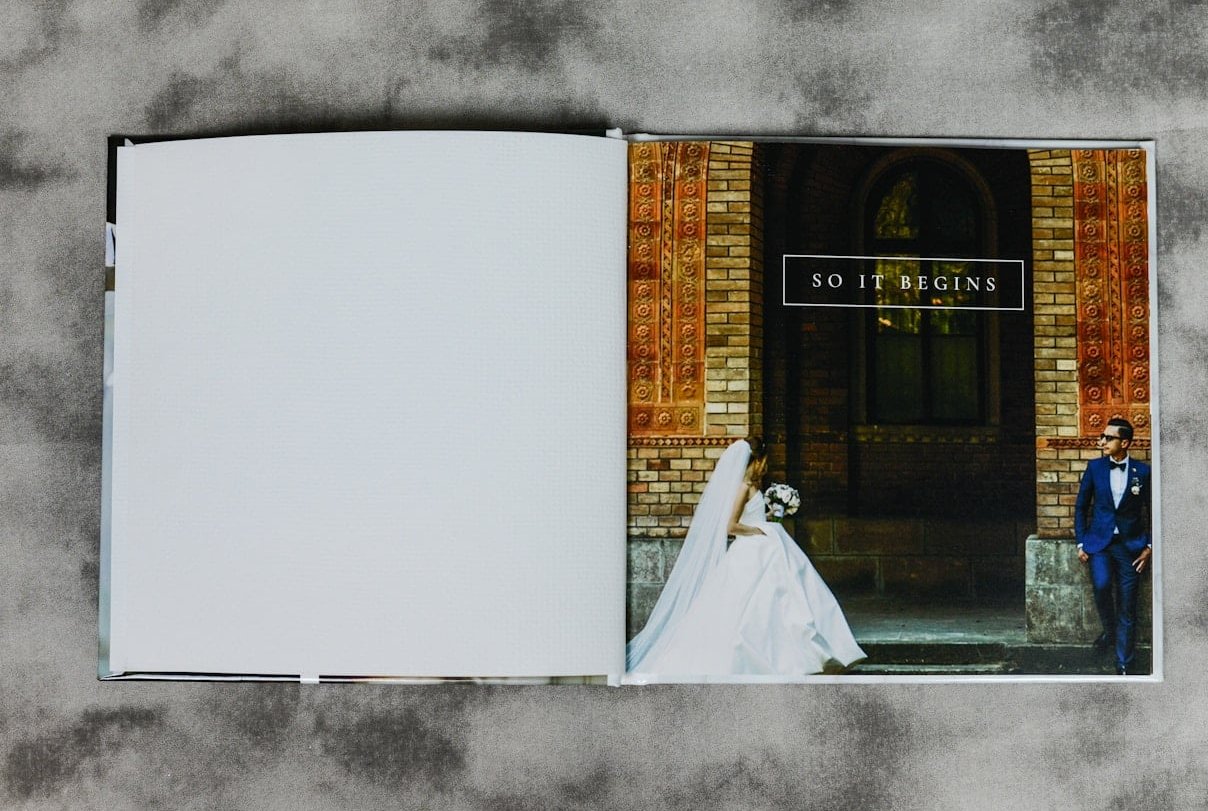
Camera Settings for Reception Photography Without Flash
ISO: Embrace the Grain
Stop being afraid of high ISO. A slightly grainy but sharp shot is always better than a blurry “clean” one. Typical ranges:
- Dimly lit dinner: ISO 3200 to 6400
- Speeches with spotlight: ISO 1600 to 3200
- Dance floor with uplighting only: ISO 6400 to 12800
- Candlelit ceremony or first dance: ISO 8000 to 25600
Aperture
Shoot wide open when you can (f/1.4 to f/2), but be aware of your depth of field. For couples dancing, f/2 to f/2.8 gives you a safety margin so both faces stay sharp.
Shutter Speed
Follow these minimums to freeze motion:
- Static moments (speeches, dinner): 1/125s
- Slow movement (couple swaying): 1/200s
- Dance floor action: 1/250s to 1/500s
- Creative drag-shutter effects: 1/30s to 1/60s (intentional motion blur)
White Balance
Reception lighting is a nightmare of mixed color temperatures. Shoot RAW, always. For a starting point, set Kelvin manually around 3200K to 4000K for tungsten-heavy venues, then fine-tune in post.
Using Venue Lighting Creatively
Uplighting
Colored uplights around the room aren’t just decoration, they’re your key light. Position guests so the uplight rims their face or hair. Purple and amber uplights are especially flattering. Avoid harsh green or blue directly on skin unless you plan to convert to black and white.
String Lights and Bistro Bulbs
These are gold for wedding reception photography without flash. Use them as:
- Background bokeh: shoot wide open with subjects several feet in front of the lights
- Rim light: position the couple with strings behind them for a warm glow around the shoulders
- Fill: when strung low over tables, they create soft, downward warm light on faces
Candlelit Dinners
Candles produce beautiful, romantic light but very little of it. Get low, get close, and shoot from an angle where the candle illuminates the subject’s face. A 50mm or 85mm at f/1.4, ISO 6400, and 1/125s is a reliable combo. You can read more here.
DJ and Stage Lighting
DJ lights change constantly. Set your camera to burst mode and fire 3 to 5 frames during peak moments so at least one lands with flattering color and direction. Watch for the split second when a spotlight hits the couple during their first dance.
Spotlights and Pin Lights
Many venues have pin spots on each table centerpiece. Expose for the highlights on faces, let the rest fall into shadow. This produces incredibly dramatic, editorial-style images.
Real Reception Scenarios: What to Do
Scenario 1: The First Dance Under Warm Bulbs
Settings: 85mm at f/1.8, ISO 6400, 1/200s, WB 3400K. Position yourself so string lights or bistro bulbs are behind the couple. Shoot from a slight low angle to catch the ceiling lights as bokeh.
Scenario 2: Toasts at a Dim Head Table
Settings: 35mm or 50mm at f/1.4, ISO 4000, 1/160s. Capture both the speaker and the couple’s reaction in the same frame when possible. Meter for skin, not for the tablecloth.
Scenario 3: Packed Dance Floor with Colored Uplights
Settings: 35mm at f/2, ISO 8000 to 12800, 1/320s. Move constantly, shoot from the hip, and use the colored light as your storytelling element. Try dragging your shutter to 1/40s occasionally for artistic motion blur.
Scenario 4: Candlelit Ceremony Rolling Into Reception
Settings: 50mm f/1.2 wide open, ISO 12800, 1/125s. Brace yourself against a wall or pillar. Use in-body stabilization if available.
Post-Processing Tips
- Denoise smartly: tools like Lightroom’s AI Denoise, DxO PureRAW, or Topaz Photo AI can rescue ISO 12800 files beautifully
- Split-tone the color casts: lean into the warmth rather than fighting it
- Convert problematic color casts to B&W: heavy green or magenta uplighting often looks stunning in monochrome
- Match exposure across the gallery: ambient-only shoots can produce wildly varying exposures, so unify them in editing
Common Mistakes to Avoid
- Shooting at too slow a shutter speed and getting motion blur on faces
- Underexposing to “protect” highlights, then having unusable noisy shadows
- Ignoring the direction of ambient light and shooting subjects from the shadow side
- Leaving auto white balance on for every shot, resulting in inconsistent color across the gallery
- Not scouting the venue before guests arrive to identify the best light sources
FAQ
Can you shoot a wedding reception without a flash?
Yes, absolutely. With a fast lens (f/1.4 to f/2), a modern camera body with strong high-ISO performance, and creative use of venue lighting, you can produce a full gallery of professional images without ever popping a flash.
What ISO should I use for a wedding reception without flash?
Expect to work between ISO 3200 and 12800 depending on the venue. Don’t be afraid of grain, modern denoising software makes even ISO 25600 files highly usable. There’s a good explainer over at shootdotedit.com.
What is the best lens for low-light wedding photography?
A 35mm f/1.4 and 85mm f/1.4 (or f/1.8) combination covers most reception scenarios. A 50mm f/1.2 is a favorite for photographers who prefer one prime for storytelling.
Should I always shoot in manual mode at a reception?
Manual mode gives you full control, but Aperture Priority with Auto ISO (capped at a maximum you’re comfortable with) works excellently when lighting changes constantly on the dance floor.
How do I handle mixed color temperatures at a reception?
Shoot RAW, set a custom Kelvin temperature as a starting point, and correct in post. For dance floors with wild color, consider converting problem shots to black and white.
Final Thoughts
Wedding reception photography without flash is a skill that separates good photographers from great storytellers. It forces you to see light, to anticipate moments, and to work with what the venue offers rather than overpowering it. Master these settings and techniques, and your galleries will feel more cinematic, more intimate, and more true to the actual atmosphere the couple experienced on their day.