
How to Photograph a First Dance: The Complete Guide for Wedding Photographers
The first dance is one of the most emotionally charged moments at any wedding reception. It is also one of the trickiest to photograph. You are dealing with low ambient light, unpredictable DJ lighting, moving subjects, and a very short window to get it right. There are no second chances.
Whether you are a seasoned wedding photographer looking to refine your approach or shooting your first reception, this guide covers everything you need to know about how to photograph a first dance, from camera settings and flash techniques to positioning, lens choice, and handling tricky spotlight situations.
Why the First Dance Is So Challenging to Photograph
Before we dive into settings and techniques, it helps to understand why this moment is uniquely difficult:
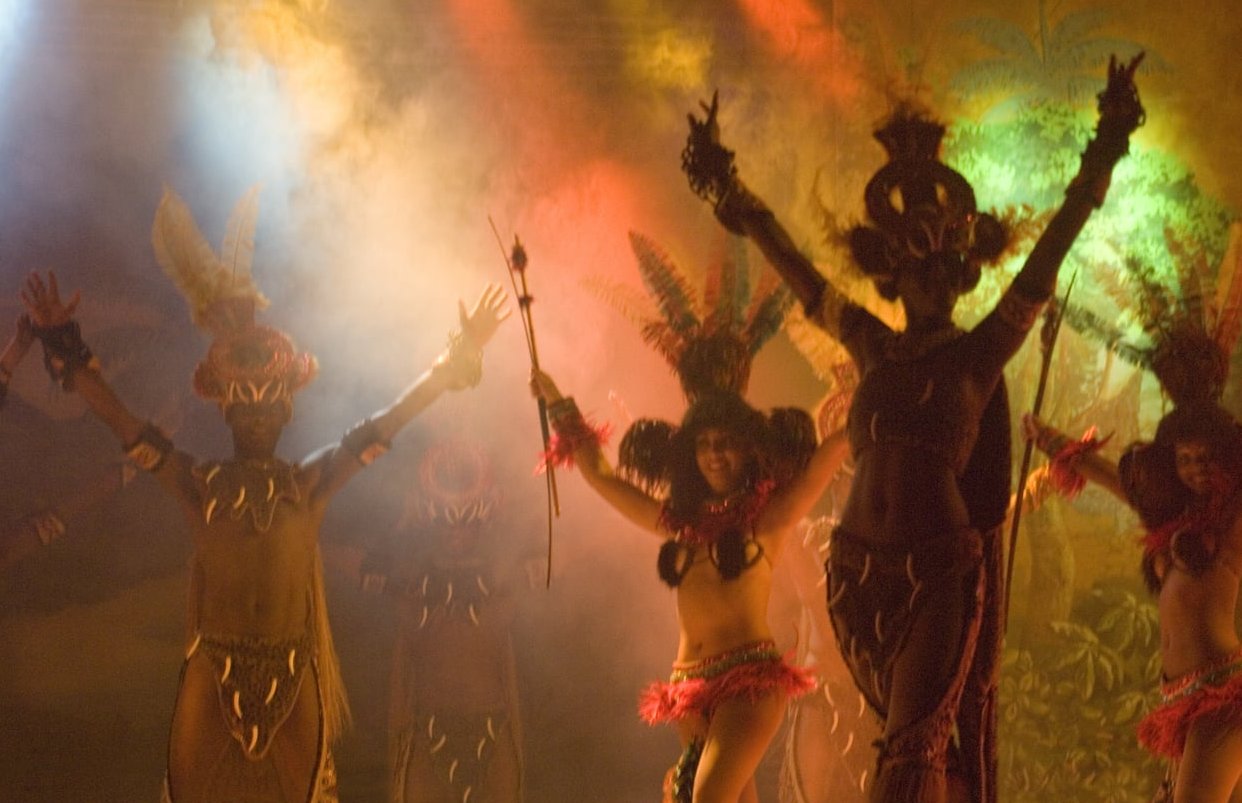
- Extremely low ambient light: Reception venues are often dimly lit, sometimes relying entirely on DJ lighting or a single spotlight.
- Rapidly changing light: DJ lights shift color, intensity, and direction constantly, making consistent exposure nearly impossible on auto modes.
- Movement: The couple is dancing, spinning, and dipping, so you need fast enough shutter speeds to freeze key moments (or slow enough to create intentional motion blur).
- Limited space and time: You may have only 3 to 5 minutes. Guests surround the dance floor, and repositioning takes precious seconds.
- Emotional importance: Couples consistently rank first dance photos among their most treasured images. Missing this is not an option.
Recommended Camera Settings for the First Dance
Getting your camera settings dialed in before the music starts is critical. Here is a breakdown of the settings that work best in typical reception lighting conditions.
Shooting Without Flash (Ambient Light Only)
If the venue has a nice spotlight on the couple or you prefer a natural, documentary look, shooting without flash is a valid choice. However, it demands a fast lens and comfort with high ISO.
| Setting | Recommended Value | Why |
|---|---|---|
| Aperture | f/1.4 to f/2.8 | Lets in maximum light; creates beautiful bokeh that isolates the couple from the background |
| Shutter Speed | 1/125s to 1/250s | Fast enough to freeze gentle movement; go to 1/200s or faster for spins and dips |
| ISO | 1600 to 6400 (or higher) | Modern full-frame sensors handle high ISO well; a grainy shot is better than a blurry one |
| White Balance | Manual / Kelvin (around 3200K to 4000K) | DJ lights confuse auto white balance; setting it manually gives you consistency in post |
| Focus Mode | Continuous AF (AF-C / Servo) | Tracks the couple as they move across the dance floor |
| Metering | Spot metering | Meters on the couple rather than the dark surroundings, preventing overexposure of faces in a spotlight |
Pro tip: Focusing in low light is genuinely difficult. Use a single focus point or a small zone and aim for the eyes. If your camera has eye-detect AF that performs well in low light, enable it.
Shooting With Flash
Flash gives you far more control over exposure and lets you create images with richer color and sharper detail. Here are settings to start with when using on-camera or off-camera flash during the first dance.
| Setting | Recommended Value | Notes |
|---|---|---|
| Aperture | f/2.8 to f/4 | Slightly stopped down from wide open for sharper results and more depth of field |
| Shutter Speed | 1/60s to 1/200s | Slower shutter lets in ambient light for atmosphere; faster shutter darkens the background for a more dramatic look |
| ISO | 400 to 1600 | Flash provides the main light, so ISO can be lower |
| Flash Mode | E-TTL / i-TTL with -1 to -1.7 EV compensation | Dialing down flash power avoids the harsh “deer in headlights” look |
| Flash Sync | Rear-curtain sync (for creative drag shots) or front-curtain sync (standard) | Rear-curtain creates light trails behind the couple for a sense of motion |
Flash Techniques That Work for First Dance Photography
How you use your flash matters just as much as whether you use it. Here are the main approaches, ranked from simplest to most advanced.
1. Bounce Flash (On-Camera)
This is the most accessible technique and works extremely well in venues with white or light-colored ceilings under about 4 meters high.
- Angle your speedlight head up at about 45 to 60 degrees toward the ceiling behind you.
- If the ceiling is too high or too dark, bounce off a nearby light-colored wall instead.
- Add a small bounce card or use a flash modifier like a MagSphere to soften the light further.
- This produces soft, flattering light that wraps around the couple naturally.
2. Off-Camera Flash (OCF)
If you want more dramatic, editorial-style first dance images, off-camera flash is the way to go.
- Place one or two speedlights on light stands at the edges of the dance floor, angled toward the center at roughly 45-degree angles.
- Use wireless triggers to fire them remotely.
- Fit each flash with a modifier such as a small softbox, umbrella, or grid to control spill.
- Set flash power manually (start around 1/16 to 1/8 power) so the output stays consistent regardless of how the DJ lights change.
- Important: Set up your OCF stands during dinner or speeches, well before the first dance, so you are not scrambling when the moment arrives.
3. Dragging the Shutter (Slow Sync Flash)
This technique combines a slow shutter speed with a burst of flash to create images that show motion blur in the ambient light while keeping the couple sharp where the flash fires.
- Set your shutter speed between 1/15s and 1/4s.
- Use rear-curtain sync so the flash fires at the end of the exposure.
- Keep your aperture around f/5.6 to f/8 for a wider depth of field.
- Pan slightly with the couple or hold steady for different effects.
- This produces colorful, energetic images with light trails from DJ lights streaking through the frame.
Warning: This technique has a high failure rate. Take many frames and expect to keep only a handful. But the keepers will be stunning.
Lens Selection: What to Bring to the Dance Floor
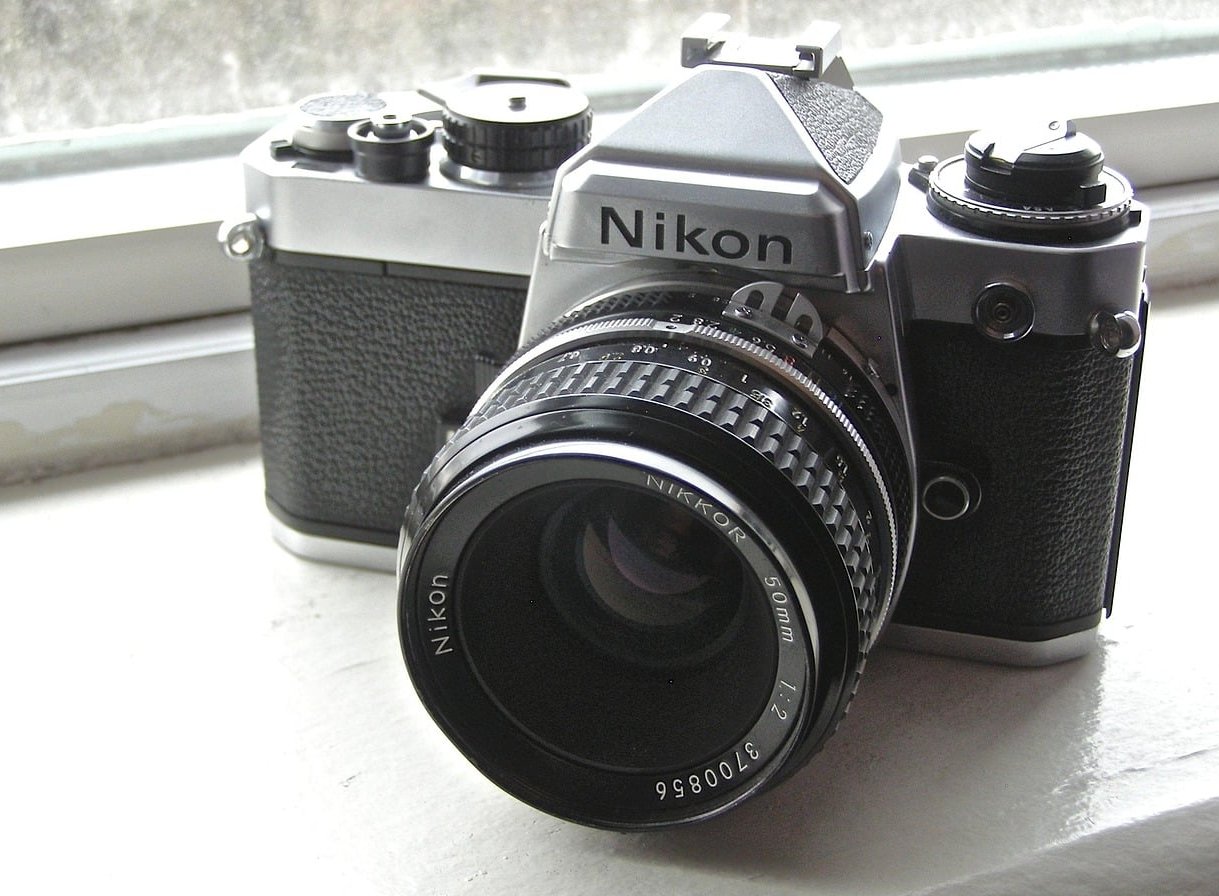
Your lens choice directly impacts the story you tell. Ideally, carry two camera bodies so you can switch focal lengths without changing lenses in the dark.
| Lens | Best For | Notes |
|---|---|---|
| 35mm f/1.4 | Wide environmental shots showing the venue, guests, and atmosphere | Great when you are close to the couple; shows context |
| 50mm f/1.4 or f/1.2 | Versatile mid-range perspective | Natural field of view; excellent in low light |
| 70-200mm f/2.8 | Tight emotional close-ups from a distance | Compresses the background beautifully; lets you stay out of the way |
| 24-70mm f/2.8 | All-in-one versatility if you only carry one body | Zoom range covers wide and medium compositions without lens changes |
Our recommendation: Shoot with a 70-200mm f/2.8 on one body for close-ups and a 35mm f/1.4 on the other for wide storytelling shots. Switch between them as the dance progresses.
Positioning and Angles: Where to Stand
Your position around the dance floor is just as important as your camera settings. A great angle can make or break the shot.
The Three-Position Strategy
During the first dance, plan to move through at least three positions:
- Start wide and slightly elevated (if possible): At the beginning of the dance, capture a wide shot that shows the entire scene, including guests watching, the DJ setup, and the venue decor. If there is a balcony, staircase, or even a chair you can safely stand on, use it for an elevated angle.
- Move to 45 degrees from the couple: This gives you a three-quarter view that shows both of their faces. Stay at the edge of the dance floor, not in the middle. Discretion matters here.
- Get close for tight shots: During the final minute, move in for intimate close-ups: hands on shoulders, foreheads touching, genuine expressions. A wide aperture (f/1.4 or f/1.8) helps isolate these details.
Angles to Capture
- Eye level: The standard and most natural perspective.
- Low angle (shooting upward): Makes the couple look grand and emphasizes the ceiling, chandeliers, or string lights above.
- Through the crowd: Shoot through the silhouettes of guests watching. This adds depth, layers, and emotion.
- From behind the couple: Shows them surrounded by their guests, placing them in the context of their celebration.
- Detail shots: The bride’s dress swirling, shoes on the dance floor, hands clasped together.
How to Handle DJ Lighting and Spotlights
DJ lighting is both a blessing and a curse. It can create magical color and atmosphere, but it can also ruin skin tones and confuse your camera’s metering and autofocus systems.
Tips for Working With DJ Lights
- Talk to the DJ beforehand. This is the single most impactful thing you can do. Ask them to keep a warm white spotlight on the couple during the first dance and to avoid rapid color changes or strobing effects for at least the first 60 to 90 seconds. Most DJs will accommodate this request.
- Shoot in RAW. Always. DJ lights produce wild color casts that are nearly impossible to correct from JPEG files. RAW gives you full flexibility in post-processing.
- Set white balance manually. Auto white balance will hunt back and forth as colors change. Set a fixed Kelvin value (around 3500K for warm tungsten lighting) or set it to flash white balance if you are using flash as your primary light source.
- Use flash to overpower bad color. If the DJ bathes the dance floor in deep red or green, a burst of flash will add clean, neutral light to the couple’s faces and skin. The background will retain the colorful ambiance, but the subjects will look natural.
- Convert to black and white. When the color is truly unsalvageable (think heavy magenta or neon green skin tones), a black and white conversion can save a powerful image. Keep this as a backup strategy, not a crutch.
When There Is a Single Spotlight
Some venues use a dedicated spotlight for the first dance, which creates a dramatic pool of light on the couple against a dark background. This looks gorgeous but requires careful exposure management.
- Use spot metering on the couple’s faces. Matrix or evaluative metering will see all the darkness around them and overexpose the spotlight area.
- Expose for the highlights (the lit faces) and let the background go dark. This creates a naturally dramatic look.
- Be cautious with flash in this scenario. Adding flash can flatten the beautiful spotlight effect. If you must use flash, keep it very subtle (dial compensation down to -2 EV or lower).
A Pre-Dance Checklist You Can Use on the Day
Print this or save it on your phone. Run through it 10 minutes before the first dance begins.
- Batteries fully charged in both camera bodies and speedlights.
- Memory cards formatted and ready.
- Lenses cleaned (reception venues can be humid and steamy).
- Camera set to RAW.
- White balance set manually.
- ISO set to auto with a ceiling (e.g., max 6400) or fixed at your preferred value.
- Autofocus mode set to continuous (AF-C / Servo).
- Flash charged and tested (if using).
- Off-camera flash stands positioned and triggers tested (if using OCF).
- DJ briefed on lighting preferences.
- Second shooter (if applicable) briefed on their position and focal length.
- Shot list mentally reviewed: wide, mid, close-up, details, guests’ reactions.
Post-Processing Tips for First Dance Photos
Getting the shot in camera is only half the job. Here is how to polish your first dance images in editing software like Lightroom or Capture One.
- Color correction: Use the white balance eyedropper on something neutral (the groom’s white shirt, for instance) to correct DJ-induced color casts.
- Noise reduction: High ISO images will have grain. Apply luminance noise reduction carefully. Do not over-smooth or you will lose detail in hair and fabric textures.
- Lift the shadows gently: Bring up shadow detail in the couple’s clothing without blowing out highlights on faces. The tone curve is your best friend here.
- Selective adjustments: Use radial filters or masks to brighten the couple and darken distracting elements at the edges of the frame.
- Crop for impact: Do not be afraid to crop tighter in post. A slightly off-center composition shot during the heat of the moment can become a powerful close-up with a thoughtful crop.
- Black and white conversions: As mentioned, some images simply work better in monochrome. Convert selectively for the strongest emotional moments.
Common Mistakes to Avoid
Even experienced photographers can fall into these traps during a first dance:
- Using direct, unmodified on-camera flash at full power. This creates harsh, flat light with dark backgrounds. Always bounce, diffuse, or reduce flash power.
- Chimping too much. Checking every shot on your LCD screen means missing the next great moment. Trust your settings and review later.
- Standing in one spot the entire time. Move. Three to four position changes during a 3-minute dance will give you a varied set of images.
- Forgetting the guests. The couple will want to see their loved ones’ reactions. Turn around occasionally and capture the faces watching from the edge of the dance floor.
- Ignoring the end of the dance. The final embrace, the kiss, the applause from guests: these closing moments are often the most emotional. Stay sharp until the music stops completely.
- Not scouting the venue. Arrive early enough to walk the reception space. Identify where the first dance will happen, check ceiling height and color (for bounce flash), note potential obstacles, and find your best angles.
Working With a Second Shooter
If you have a second photographer, coordinate your coverage so you complement each other rather than duplicate efforts.
- Shooter 1: Primary position, shooting tight with a 70-200mm, following the couple’s expressions and movements.
- Shooter 2: Opposite side of the dance floor, shooting wide with a 35mm or 24-70mm, capturing the full scene and guest reactions.
- Avoid standing directly across from each other to prevent one photographer’s flash from appearing in the other’s frames.
- Pre-assign who handles flash and who shoots ambient only, especially if using off-camera flash setups.
Frequently Asked Questions
What is the best camera setting for a first dance at a wedding?
Start with aperture priority or manual mode at f/2.8, ISO 1600 to 3200, and a shutter speed of 1/125s or faster. If you are using flash, you can lower your ISO to 400-800 and use a shutter speed of 1/60s to 1/200s. Always shoot in RAW for maximum flexibility in editing.
Should I use flash for the first dance?
It depends on the venue lighting. If there is a good spotlight on the couple, you can shoot ambient-only for a natural, cinematic look. In most cases, however, having flash available (even at low power as fill) will give you cleaner, sharper results with better skin tones. Off-camera flash produces the most professional-looking results.
How do I avoid blurry photos during the first dance?
Use continuous autofocus (AF-C or Servo), keep your shutter speed at 1/125s or faster for standard movement, and use a fast lens (f/1.4 to f/2.8) to allow more light. Flash also freezes motion, so even at slower shutter speeds, a burst of flash will keep the couple sharp.
How do I deal with colored DJ lights ruining skin tones?
Ask the DJ to use a warm white spotlight during the first dance. Shoot in RAW so you can correct colors in post. Using flash as your key light will add neutral white light to the couple while the background retains the colorful ambiance. If color is still problematic, convert to black and white.
Where should I stand during the first dance?
Move through multiple positions: start wide to capture the full scene, then move to a 45-degree angle for three-quarter portraits, and finish close for intimate details. Shoot from the edge of the dance floor, not the center. Be discreet and avoid blocking guests’ view.
What lens should I use for first dance photography?
A 70-200mm f/2.8 is ideal for tight, emotional close-ups from a respectful distance. Pair it with a 35mm f/1.4 on a second body for wide, atmospheric shots. If you only have one camera, a 24-70mm f/2.8 covers the most useful range.
How do I photograph a first dance for the first time?
Prepare thoroughly. Scout the venue, talk to the DJ, set up your camera in advance, and use the settings tables in this guide as a starting point. Shoot in burst mode, move between at least three positions, and do not forget to capture guest reactions. Practice in low light before the wedding day so you are comfortable with your gear.